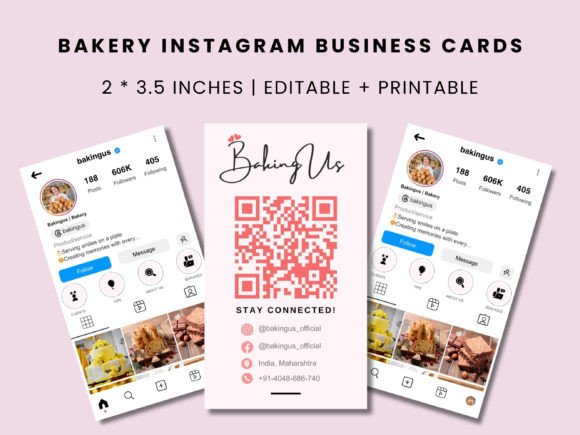
Personalize Business Cards with Ease
In a world where first impressions are often digital before they are physical, the humble business card remains a surprisingly potent tool for connection. However, traditional printing processes can be slow, expensive, and rigid. This is where the ability to Personalize Business Cards using modern design platforms becomes invaluable. By leveraging templates that require no prior design experience, professionals, entrepreneurs, and creatives can create polished, high-impact branding materials in minutes rather than days.
The core value proposition of this approach lies in its accessibility and speed. You do not need an expensive graphic designer or complex software like Adobe Illustrator to produce something that looks professional. Instead, you gain full control over your visual identity through user-friendly interfaces. Whether you are a freelance marketer needing to hand out cards at a networking event tomorrow morning or a small business owner looking to update your contact information after a rebrand, having the power to instantly customize your assets saves time and ensures consistency.
Why Instant Customization Matters
The phrase "Personalize Business Cards" suggests more than just swapping out a name and phone number. It implies a holistic approach to branding where every element—from color palette to typography—reflects your unique voice. In the past, achieving this level of customization required hiring a designer, waiting for drafts, paying revision fees, and enduring long print lead times. Today, the process is democratized.
When you use a template designed for instant editing, you eliminate the friction between idea and execution. For instance, if you decide on a Tuesday that your brand’s primary color should shift from navy blue to emerald green to match a new marketing campaign, you can update all your digital and print assets immediately. There is no need to email a vendor back and forth. This agility is particularly crucial for freelancers and solopreneurs who wear many hats and cannot afford administrative bottlenecks.
Furthermore, the ability to edit locally means you retain ownership of your creative process. You are not locked into a specific vendor’s limited options. You can experiment with layouts, swap stock photography for your own headshots, and tweak spacing until it feels just right. This hands-on involvement fosters a deeper connection to your brand materials, resulting in cards that feel authentic rather than generic.
The Technical Advantages of Canva Templates
Most modern DIY business card solutions rely on platforms like Canva, which offer robust features without the steep learning curve associated with professional design suites. When you purchase a template for this purpose, you are typically receiving a link that grants you access to a pre-designed layout. The standard dimensions for these files are often optimized for both digital display and physical printing, such as 1050 x 600 pixels for screen viewing, which translates to the standard 3.5 x 2 inches for print.
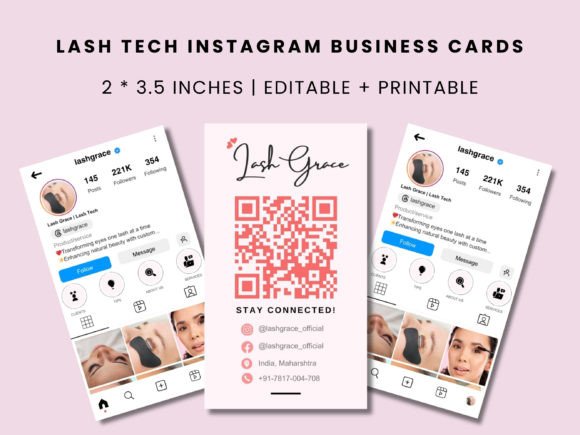
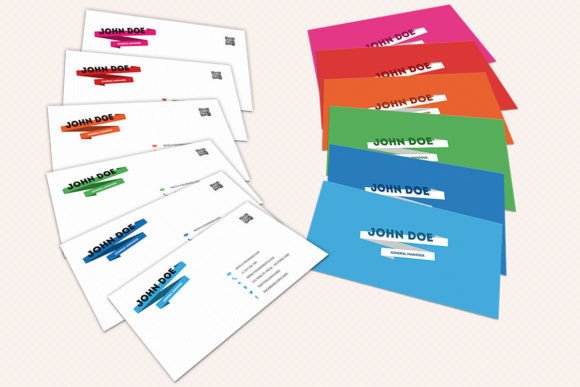
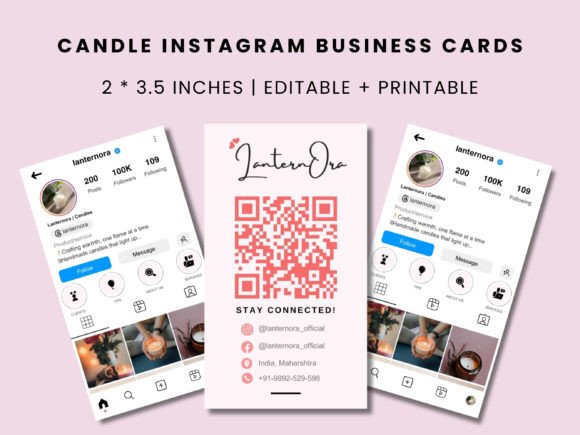
One of the most significant strengths of these templates is their completeness. A well-crafted template includes both front and back designs, ensuring that your brand message is consistent across both sides. The front might feature a bold logo and clean typography, while the back could include a QR code linking to your portfolio or social media channels. Having these elements pre-arranged allows you to focus on content rather than structure.
Additionally, these templates are fully editable. This means you have the freedom to change fonts, adjust colors, move elements around, and add new graphics. Some templates even allow you to upload your own background images or patterns. The flexibility extends to device compatibility as well; you can start designing on your desktop computer and finish up on your mobile device using the Canva app. This portability is essential for busy professionals who may find themselves needing to make quick edits while traveling or attending events.
Practical Applications Across Industries
The utility of customizable business cards extends far beyond traditional corporate environments. Let’s look at how different groups can benefit from this technology:
- Freelancers and Creatives: Photographers, writers, and designers can use their business cards as mini-portfolios. By including a QR code or a minimalist link to their online work, the card becomes a gateway to their broader body of work.
- Educators and Coaches: Teachers and life coaches often operate in informal settings. A warm, inviting card design that reflects their personal brand can help establish trust and approachability immediately.
- Real Estate Agents: Speed is of the essence in real estate. Being able to quickly update contact details or add a new property listing URL ensures that agents always have current information ready to share.
- Hobbyists and Makers: Etsy sellers and crafters can use business cards to drive traffic to their online shops. Including a discount code printed directly on the card can incentivize immediate action.
In each of these scenarios, the goal is to enhance communication and engagement. A well-designed card does more than provide contact info; it reinforces your professional identity and makes it easier for others to remember and reach you.
From Digital to Physical: Printing Options
Once you have personalized your business cards, you face the decision of how to bring them to life. You have two primary paths: home printing or professional services.
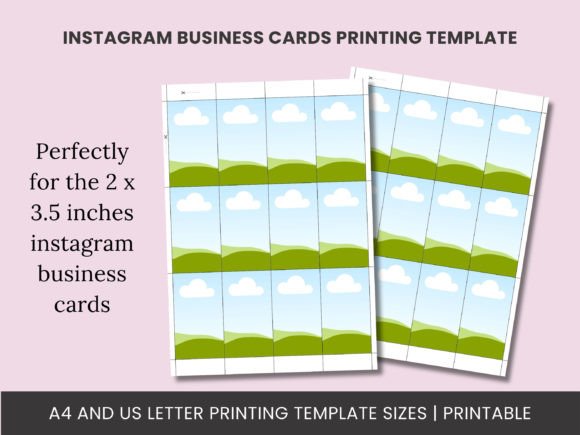
Printing at home offers unparalleled convenience and cost-effectiveness for small batches. With a good quality inkjet or laser printer and thick cardstock, you can produce stacks of cards in under an hour. This is ideal for testing designs or for those who need only a handful of cards for occasional use. However, achieving perfect alignment and color accuracy can be challenging without professional equipment.
Alternatively, opting for professional printing ensures a premium finish. Most design platforms allow you to download print-ready PDFs with bleed marks and crop guides, making it easy to send your files to local print shops or online services. Professional printers can offer various paper stocks, finishes like matte or glossy lamination, and special effects like foil stamping. While this option costs more per unit, the tactile quality of the card can significantly elevate your perceived professionalism.
Important Considerations for Success
While the tools available today make it easier than ever to Personalize Business Cards, there are practical considerations to keep in mind to ensure the final result meets your expectations.
First, always check the resolution of any images you upload. Low-resolution photos will look pixelated when printed, undermining the sleek look of your design. Stick to high-quality JPEGs or PNGs. Second, be mindful of color modes. Screens use RGB (Red, Green, Blue) color, while printers use CMYK (Cyan, Magenta, Yellow, Key/Black). Colors may appear slightly duller in print than on screen. If possible, order a single proof copy before committing to a large run.
Another critical aspect is the clarity of your information. Ensure your font sizes are legible. While trendy script fonts look great for logos, they can be difficult to read for contact details like phone numbers or email addresses. Use clear, sans-serif fonts for essential information to guarantee readability.
Finally, consider the longevity of your digital assets. Since you are using a cloud-based platform, your design is tied to your account. Make sure you understand the licensing terms of the template you purchase. Typically, you are granted lifetime access to edit the template for your own business use, but you cannot resell the template itself. Keeping your account secure and backed up ensures you can always reprint or update your cards as needed.
Maximizing Value with Free Tools
One of the most appealing aspects of this workflow is that it is largely free. Basic accounts on platforms like Canva provide ample resources for creating stunning designs. You can access thousands of fonts, graphics, and photo libraries without spending a dime. For those who want even more flexibility, upgrading to a Pro account unlocks premium elements and advanced features like background removers and brand kits. However, for most users, the free tier provides everything necessary to create effective, personalized business cards.
In conclusion, the ability to personalize business cards instantly empowers individuals to take charge of their professional image. It bridges the gap between amateur enthusiasm and professional polish, allowing anyone to create materials that stand out. By focusing on clear communication, thoughtful design, and practical printing choices, you can leverage this technology to build stronger connections and grow your network effectively.