Simple Deer Black Vector Design: A Practical Tool for Creative and Business Workflows
When it comes to designing for a variety of products, from t-shirts and mugs to book covers and business cards, having a reliable and adaptable design is essential. The Simple Deer Black Vector Design offers just that — a clean, scalable, and versatile illustration that can be seamlessly integrated into multiple creative and commercial applications. Whether you're an entrepreneur launching a new product line or a designer working on a personal project, this vector-based deer motif provides flexibility and quality without unnecessary complexity.
Understanding the Simple Deer Black Vector Design
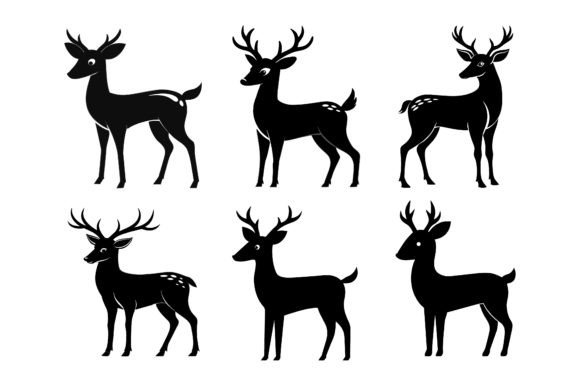
The Simple Deer Black Vector Design is a minimalist illustration of a deer created using vector graphics. Unlike raster images, which lose quality when resized, vector designs are built with mathematical formulas that allow them to scale perfectly at any size. This makes them ideal for both digital and print media. The black color scheme ensures high contrast and readability, especially against light or dark backgrounds, making it suitable for t-shirts, signage, and promotional materials.
This design is not just an aesthetic choice; it serves as a functional element in branding and product development. Its simplicity supports fast recognition and adaptability across formats, while its bold lines maintain clarity even at smaller sizes. For businesses and creators, such characteristics translate into a more effective use of visual assets in marketing, merchandise, and editorial content.
Integrating the Design Into Your Workflow
Incorporating the Simple Deer Black Vector Design into your workflow can happen at various stages. Before beginning a project, you might select it as a central graphic for your brand identity. During the design process, it can serve as a base for custom illustrations or logos. After production, it can be used to maintain consistency in printed materials or digital campaigns.
Here’s how it can fit into different scenarios:
- T-shirt Printing: Use the design during the final layout stage to ensure it aligns properly with text and other graphics. Because it's vector-based, resizing won’t affect quality, so it looks sharp on all sizes.
- Merchandise Branding: Apply it to mugs, keychains, or stickers early in the planning phase to establish a cohesive look for your product line.
- Business Cards and Flyers: Integrate it into your design software during the layout phase to enhance visual appeal while maintaining professional standards.
- Book Covers and Publications: Add it as a decorative element or emblem after finalizing the text layout, ensuring it complements the overall style without overwhelming it.
Customization and Compatibility
One of the main strengths of the Simple Deer Black Vector Design is its ease of customization. It supports full color manipulation, allowing users to match it with their brand colors or specific project needs. The availability of multiple file formats — including .AI, .EPS, .SVG, .DXF, and .PNG — ensures compatibility with a wide range of design tools and printing services.
For instance, if you're using Adobe Illustrator for logo creation, the .AI format will let you edit individual vector paths and layers. If you need something compatible with laser cutting or embroidery machines, the .DXF format is the go-to option. Meanwhile, the .SVG format is perfect for web-based projects like banners or SVG animations.
Regardless of the platform or tool you choose, the design remains crisp and consistent. This eliminates the need for reworking or redrawing, saving time and effort during revisions or scaling phases.
Practical Implementation Tips
To make the most out of the Simple Deer Black Vector Design, consider the following best practices:
- Start With a Clear Purpose: Determine where and how the design will be used before importing it into your project. Will it be part of a larger composition or stand alone? Knowing this helps you decide on placement, sizing, and styling options.
- Use Proper Software: Open the design in vector-compatible programs like Adobe Illustrator, CorelDRAW, or Inkscape. These platforms allow for precise adjustments and layer management, which is crucial for maintaining quality.
- Optimize for Output: When preparing for print or digital publishing, check the resolution and color profile settings. Even though vectors don't require high pixel density, they should still be exported correctly based on the intended medium.
- Test on Different Surfaces: If you plan to apply the design to merchandise, test it on sample materials to see how it looks under various lighting conditions. This step ensures that the final product meets your expectations and performs well in real-world environments.
- Maintain Organization: Keep versions of the design labeled clearly, especially if you're making multiple variations. This helps streamline future edits and avoids confusion in collaborative workflows.
Workflow Examples
Let’s walk through two practical examples of how the Simple Deer Black Vector Design can be implemented efficiently:
Example 1: T-shirt Merch Line for a Small Business
Pre-Project: A small business owner decides to launch a nature-themed merch line. They select the deer design as the central motif due to its versatility and symbolic meaning.
During Project: Using Adobe Illustrator, the owner imports the .AI version of the design and adjusts the colors to match their brand palette. They create layered mockups for online previews and submit the .SVG and .PNG files to their printing partner for production.
Post-Project: Once printed, the design is reviewed for quality and consistency. The owner archives the source files for future use, ensuring that they can quickly update or reuse the asset for upcoming collections.
Example 2: Personal Blog Visual Identity
Pre-Design: A blogger wants to add a unique header image to their wildlife-themed blog. They find the Simple Deer Black Vector Design and decide it fits their theme well.
During Creation: Using Canva or Photoshop, they import the .SVG file and position it beside their blog title. They tweak the background to ensure visibility and export the final design in web-ready PNG format.
After Launch: The design becomes a recurring element in the blog’s branding, appearing in social media headers, email signatures, and downloadable PDF guides. The blogger keeps the original vector file for easy updates and maintains a consistent visual language across all platforms.
Factors to Consider When Using the Design
Several factors influence how effectively the Simple Deer Black Vector Design can be used in your work. Here are some key considerations:
- Preparation: Always assess the design’s suitability for your specific use case before committing to it. Consider aspects like symbolism, tone, and target audience.
- Usability: Ensure the design works well with the tools you have. If you're not familiar with vector editing software, opt for a ready-to-use format like .PNG or .SVG and stick to basic adjustments.
- Efficiency: Since the design is already optimized for scalability and customization, avoid overcomplicating it. Keep edits focused and purpose-driven to maintain productivity.
- Consistency: Use the same design elements across all relevant platforms (e.g., website, packaging, ads) to build a strong, recognizable brand identity.
- Long-Term Use: Store the original vector files in a secure and organized location. This allows for easy modifications or reuse in the future, supporting sustainable design practices.
How It Complements Other Tools and Assets
The Simple Deer Black Vector Design doesn’t operate in isolation. It integrates well with other design tools and assets, enhancing your overall creative output. For example:
- It pairs naturally with typography for posters, flyers, and book covers. Choose fonts that reflect the deer’s essence — natural, elegant, or adventurous — to reinforce the message.
- When used alongside other vector icons or symbols, it creates a unified visual system. This is particularly useful for creating infographics or UI/UX elements.
- Its black-on-white or white-on-black adaptability means it works well with monochrome themes or as a focal point in colorful compositions.
Additionally, because it’s available in multiple file formats, you can easily transition between digital and physical outputs. For instance, you could use the .SVG for a website banner and later convert it to .EPS for a printed brochure, maintaining the same level of detail and clarity throughout.
Quality Control and Adaptation
Ensuring the design maintains its quality across different mediums requires attention to detail. When adapting the Simple Deer Black Vector Design for a new project, always preview it in the context of the final output. Check for alignment issues, color mismatches, or scaling problems that might affect the user experience.
Also, consider how the design interacts with other brand elements. Does it support the overall message? Is it legible and impactful at different sizes? These questions help guide the adaptation process and prevent costly mistakes down the line.
For those managing large-scale projects or running a business, maintaining a library of approved design assets — including this deer illustration — can streamline decision-making and reduce back-and-forth communication with clients or stakeholders.
Conclusion
The Simple Deer Black Vector Design is more than just a stylish illustration — it’s a practical asset that can elevate your creative and business projects. By understanding its capabilities, integrating it thoughtfully into your workflow, and considering how it interacts with other tools and resources, you can unlock its full potential. From branding to merchandise, this design supports efficiency, quality, and consistency across diverse applications.
If you're looking for a design that combines elegance with functionality, explore our shop for the Simple Deer Black Vector Design and other curated assets. Our collection is updated regularly, offering fresh inspiration and solutions tailored to professionals and hobbyists alike.