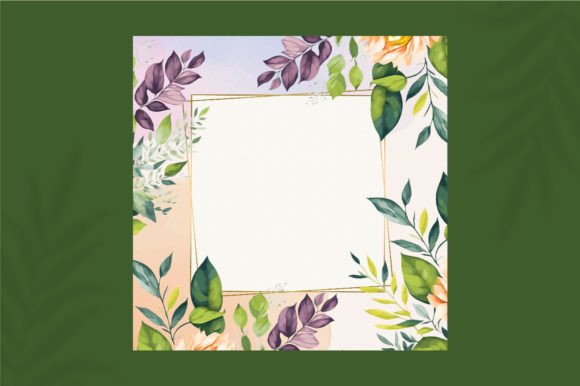
The Artistic Impact of Flower Wedding Background Design in Modern Event Stationery
In the realm of event planning and graphic design, the visual language used to communicate an occasion sets the tone before a single word is read. Among the most enduring and versatile elements in this visual vocabulary is the Flower Wedding Background Design. Whether for a grand celebration or an intimate gathering, the choice of background imagery plays a pivotal role in establishing the aesthetic narrative. This article explores the nuances of using hand-painted watercolor floral backgrounds, their technical specifications, and their broad applicability across various professional and personal projects.
The Aesthetic Appeal of Hand-Painted Watercolor
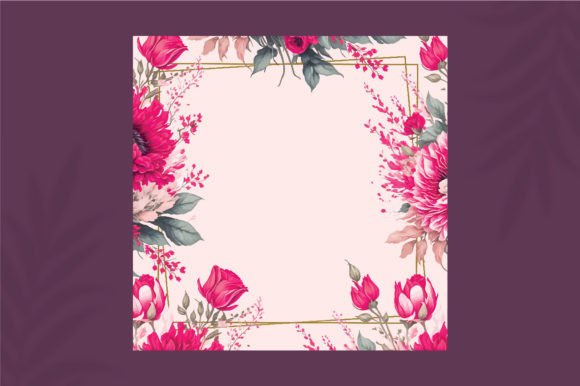
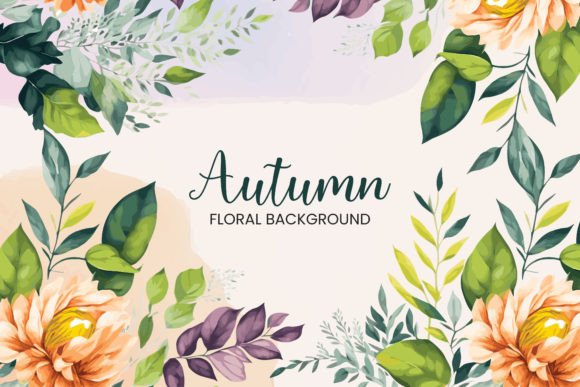
While digital graphics have become ubiquitous, there remains a distinct preference for designs that mimic traditional artistry. A flower watercolor background design, specifically one made by hand painting using watercolors, offers a level of organic texture and softness that flat vector graphics often struggle to replicate naturally. The subtle bleeding of pigments, the variation in opacity, and the delicate gradients create a sense of depth and movement.
This artistic approach resonates deeply with audiences seeking authenticity. In wedding invitations, for instance, the use of such a background suggests elegance, romance, and a touch of vintage charm. It moves away from the rigid, sterile look of computer-generated patterns and introduces a human element. The imperfections inherent in hand-painting are not flaws but features; they convey warmth and exclusivity. For creators and designers, incorporating these elements allows them to offer clients a product that feels bespoke and carefully curated, rather than mass-produced.
Technical Specifications and File Integrity
For professionals working in Adobe Illustrator or other vector-based software, the format and quality of the source file are critical. The availability of a fully editable vector EPS file ensures that the design can be scaled without loss of resolution. This is particularly important for large-format prints, such as posters or banners, where pixelation would ruin the intended effect.
Key Technical Attributes:
- Vector Format (EPS/AI): Being a fully editable vector file means that individual floral elements, stems, and leaves can be moved, resized, or recolored independently. This flexibility allows designers to customize the composition to fit specific layout requirements.
- High Resolution (300 DPI): Although vectors are resolution-independent, the inclusion of high-quality raster previews at 300 DPI ensures that any embedded effects or textures remain crisp when viewed on screen or printed at small sizes.
- Color Mode (RGB): Designed primarily for digital use, RGB colors provide vibrant, screen-accurate hues. This is ideal for web-based invitations, social media graphics, and digital marketing materials where color accuracy on monitors is paramount.
The combination of these technical features makes the asset highly functional. It bridges the gap between artistic beauty and practical utility, allowing for seamless integration into existing workflows.
Diverse Applications Beyond Weddings
While the term "Wedding" is prominent in the description, the versatility of a flower watercolor background extends far beyond nuptial events. The soft, natural aesthetic of hand-painted florals is universally appealing and can be adapted to numerous contexts.
Business and Corporate Identity
For small business owners, particularly those in creative industries, branding is essential. Using a floral background for business cards can differentiate a brand from competitors who rely on minimalist, monochromatic designs. It adds a layer of personality and approachability. Similarly, book covers for genres such as romance, lifestyle, gardening, or women’s fiction benefit greatly from the emotive power of watercolor flowers. The design can evoke the mood of the story before the reader even opens the book.
Marketing and Promotional Materials
Posters and flyers for local events, such as farmers' markets, art exhibitions, or boutique sales, often require eye-catching visuals. A customizable text color feature allows marketers to overlay bold typography onto the soft background, creating a striking contrast that draws attention. The ability to edit the text color ensures that the design aligns with specific brand guidelines or seasonal themes.
Personal Projects and Hobbyist Use
Educators and hobbyists also find value in these assets. Teachers might use floral backgrounds for classroom decorations, certificates of appreciation, or educational worksheets related to botany or art history. The ease of use associated with these files means that even those with limited graphic design experience can produce professional-looking results.
Workflow Integration and Customization
One of the primary advantages of using an Adobe Illustrator-compatible file is the streamlined workflow it offers. Designers do not need to start from scratch or spend hours recreating complex floral arrangements. Instead, they can import the EPS or AI file directly into their project.
Customization Capabilities:
- Text Color Adjustment: The design supports easy modification of text colors. This is crucial for maintaining readability against the varied tones of a watercolor background. Designers can ensure high contrast by selecting complementary or contrasting hues.
- Font Compatibility: The note that only free fonts are used simplifies the licensing process for end-users. There is no need to purchase additional font licenses to complete the design, reducing costs and legal complexities for both freelancers and businesses.
- Layer Management: Fully editable vector files typically come with organized layers. This allows users to hide unnecessary elements, change the order of overlapping flowers, or isolate specific components for reuse in other projects.
This level of control empowers creators to tailor the design to their exact needs. For example, a designer might remove certain heavy floral clusters to create more negative space for text, or they might enlarge a specific bloom to serve as a focal point for a logo.
Considerations for Print vs. Digital Use
While the provided files are optimized for RGB color mode, it is important for users to understand the implications for print production. RGB is the standard for screens, while CMYK is the standard for printing. If a user intends to print physical invitations or posters, they may need to convert the color profile from RGB to CMYK within their design software. While modern conversion tools are effective, some vibrant neon-like colors in the RGB spectrum may shift slightly in CMYK. Users should preview their designs in CMYK mode if print output is planned to ensure color satisfaction.
Furthermore, the 300 DPI specification mentioned usually applies to raster images. Since the primary file is a vector (EPS/AI), the resolution is theoretically infinite. However, if the vector file contains embedded raster effects or textures, ensuring that the original source images were high-resolution will prevent blurriness upon scaling. Always check the integrity of the file after importing it to guarantee that all elements remain sharp.
The Psychological Effect of Floral Imagery
Understanding why certain designs work requires looking at psychology. Flowers are associated with growth, beauty, nature, and transience. In the context of weddings, they symbolize love and new beginnings. In business, they can suggest freshness and organic quality. By choosing a hand-painted style over a photorealistic one, the design leans into abstraction and emotion rather than literal representation.
This emotional resonance is what makes the Flower Wedding Background Design so effective. It does not just decorate; it communicates. A recipient of an invitation feels a sense of anticipation and care because the visual presentation reflects effort and thoughtfulness. For a business card, it signals creativity and attention to detail. These subconscious associations enhance the overall impact of the communication medium.
Conclusion
The integration of hand-painted watercolor floral backgrounds into graphic design projects offers a blend of artistic elegance and practical functionality. With its editable vector format, high-resolution capabilities, and flexible customization options, this type of design serves a wide array of users—from wedding planners and corporate marketers to educators and hobbyists. By leveraging the unique qualities of watercolor artistry, creators can produce materials that stand out in a crowded digital and physical landscape. Whether used for wedding invitations, business cards, posters, or book covers, the Flower Wedding Background Design provides a timeless foundation for effective visual storytelling.