Unlocking the Mystique: A Comprehensive Guide to High-Resolution Gold Foil Tarot Card Assets
In the rapidly evolving landscape of digital design and physical manufacturing, the demand for premium visual assets has never been higher. Among the most sought-after elements in contemporary graphic design is the aesthetic of luxury and mysticism, often embodied by the Gold Foil Tarot Card. This specific motif combines historical symbolism with modern metallic finishes, creating a visual language that resonates across diverse industries. Whether you are a small business owner looking to create branded merchandise, an educator designing interactive learning materials, or a hobbyist interested in scrapbooking, understanding the technical and creative potential of high-quality tarot imagery is essential.
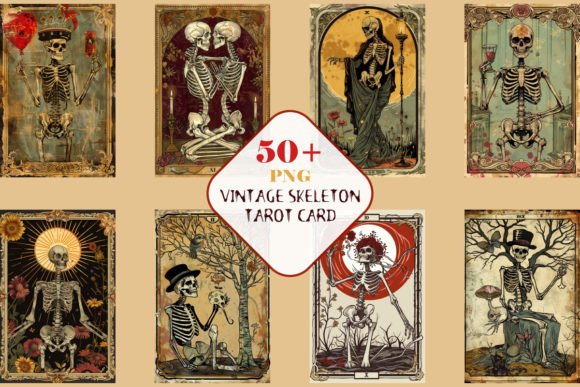
The availability of specialized digital files, such as those featuring 30 PNG files at a resolution of 3584x5376 pixels, represents a significant leap forward in accessibility for creators. These assets are not merely images; they are versatile tools that bridge the gap between digital creativity and tangible products. By leveraging high-definition graphics with transparent backgrounds, designers can integrate these intricate designs into virtually any medium without compromising on clarity or detail. This guide explores the multifaceted applications, technical advantages, and strategic considerations of utilizing gold foil tarot card assets in both personal and professional projects.
The Technical Superiority of High-Density PNG Formats
To fully appreciate the utility of the Gold Foil Tarot Card assets, one must first understand the underlying technology that makes them so effective. The specification of 3584x5376 pixels at 300 dpi (dots per inch) ensures that the image maintains its integrity regardless of how it is scaled. In the world of digital imaging, resolution is paramount. Standard web images often suffer from pixelation when enlarged, but a file with this level of density allows for crisp, sharp reproduction even on large-format prints.
The choice of PNG (Portable Network Graphics) format further enhances the versatility of these assets. Unlike JPEG files, which use lossy compression and cannot support transparency, PNGs utilize lossless compression and alpha channels. This means that the gold foil elements can be isolated perfectly against any background color. For a designer placing a tarot card image onto a dark t-shirt or a light-colored greeting card, the ability to remove the background seamlessly is crucial. It eliminates the need for tedious manual editing and ensures that the final product looks professional and polished.
Furthermore, the scalability of these vectors—often preserved within high-resolution raster files through careful upscaling algorithms—means that creators can resize without losing quality. This feature is particularly valuable for businesses that may need to print the same design on a small business card and a large billboard. The consistency of the gold texture and the sharpness of the line work remain intact, providing a cohesive brand identity across all touchpoints.
Diverse Applications Across Industries
The adaptability of the Gold Foil Tarot Card extends far beyond the realm of fortune-telling or esoteric practices. Its aesthetic appeal taps into broader cultural trends surrounding mindfulness, spirituality, and vintage elegance. Consequently, its application spans numerous sectors, each finding unique value in these high-resolution assets.
Apparel and Fashion Accessories
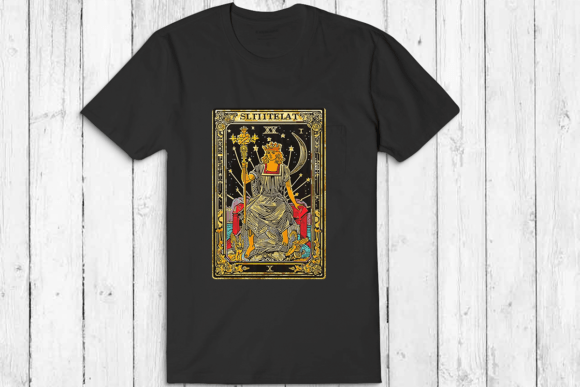
In the fashion industry, the demand for unique, statement-making pieces is constant. Printing tarot card designs on t-shirts, hats, and tote bags allows brands to offer products that speak to individuality and mystery. The gold foil effect adds a layer of perceived value and luxury, making these items desirable even if the base material is affordable. Additionally, phone cases and patches featuring these designs have become popular accessories for consumers who wish to carry their personal style with them. The high resolution ensures that the fine details of the tarot illustrations do not blur during the printing process, preserving the artistic intent.
Paper Goods and Stationery
Educators and stationery designers frequently utilize tarot motifs for creative projects. Greeting cards, wedding invitations, and birthday cards benefit from the ornate borders and symbolic imagery inherent in tarot decks. The metallic sheen of the gold foil simulation adds a tactile and visual richness that standard ink cannot achieve. For wedding invitations, this can evoke a sense of timeless romance and destiny. In educational contexts, teachers might use these images to teach art history, symbolism, or even as part of creative writing prompts for students.
Home Decor and Wall Art
The trend of personalized home decor has seen a surge in popularity, with individuals seeking to customize their living spaces with meaningful art. Canvas paintings, framed artwork, and posters featuring Gold Foil Tarot Card designs allow homeowners to curate spaces that reflect their interests. Because the files are high-resolution, they are suitable for large prints that serve as focal points in a room. The contrast between the gold elements and various wall colors can dramatically alter the ambiance of a space, adding warmth and sophistication.
Marketing and Business Materials
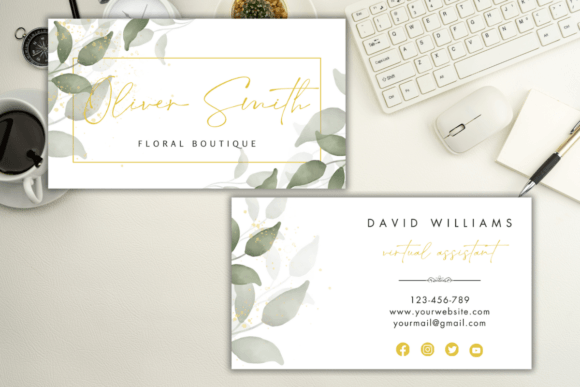
For entrepreneurs and marketers, standing out in a crowded marketplace is challenging. Business cards, flyers, and billboards that incorporate unique, high-quality graphics can capture attention more effectively than generic designs. A business specializing in wellness, spiritual coaching, or even alternative therapies can leverage tarot imagery to connect with its target audience. The professional quality of the 300 dpi PNG files ensures that marketing materials look credible and high-end, reinforcing trust in the brand.
Practical Considerations for Creators and Consumers
While the benefits of using high-resolution tarot assets are clear, there are practical steps and considerations that users should keep in mind to ensure a successful outcome. One of the most critical aspects is the preparation of the working environment. As noted in the product specifications, users need to have the right device, such as a laptop or computer, to extract the ZIP files. Mobile devices often lack the necessary file management capabilities to handle large archives efficiently.
Once the files are extracted, organizing them is key. With 30 distinct PNG files, having a systematic folder structure can save time during the design process. Designers should also consider the software they are using. While many consumer-grade photo editors can handle PNGs, professional software like Adobe Photoshop or Illustrator offers more control over layers, opacity, and blending modes. This is particularly useful when trying to simulate the actual reflective quality of gold foil on a printed product.
Another important consideration is the end-use of the design. If the goal is to print on physical products, understanding the printing method is essential. Direct-to-garment (DTG) printing, sublimation, and vinyl cutting all interact differently with digital files. For instance, if using the design for vinyl cutting, the vector paths within the PNG might need to be traced or converted to ensure clean cuts. Conversely, for direct printing, the high pixel density ensures that the ink deposits accurately, replicating the digital preview closely.
Enhancing Creativity Through Symbolism and Style
Beyond the technical specifications, the artistic merit of the Gold Foil Tarot Card lies in its rich symbolism. Each card in a traditional deck carries specific meanings related to life events, emotions, and challenges. When incorporating these designs into new works, creators can leverage these associations to add depth to their projects. For example, a "Strength" card might be used in motivational content, while a "Star" card could symbolize hope and guidance in healing-focused designs.
The gold foil aesthetic itself adds another layer of meaning. Gold is universally associated with wealth, success, and illumination. By combining this metallic finish with tarot imagery, designers create a juxtaposition of the mystical and the material. This duality appeals to a broad audience, from those interested in the spiritual to those drawn to luxurious aesthetics. It allows for a nuanced expression that can be interpreted in multiple ways depending on the context of the design.
Conclusion
The integration of high-resolution Gold Foil Tarot Card assets into creative workflows offers unparalleled opportunities for innovation and expression. From apparel and home decor to educational materials and marketing collateral, these versatile PNG files provide the foundation for stunning visual outcomes. Their high DPI, scalable nature, and transparent backgrounds make them ideal for both digital and physical applications. By understanding the technical requirements and creative possibilities, professionals and hobbyists alike can elevate their projects, creating products that are not only visually striking but also deeply resonant. As the demand for personalized and high-quality design continues to grow, assets like these will remain invaluable tools in the creator's arsenal.